Shijiazhuang Kuer Clothing Co., Ltd.
0%

Table of Contents

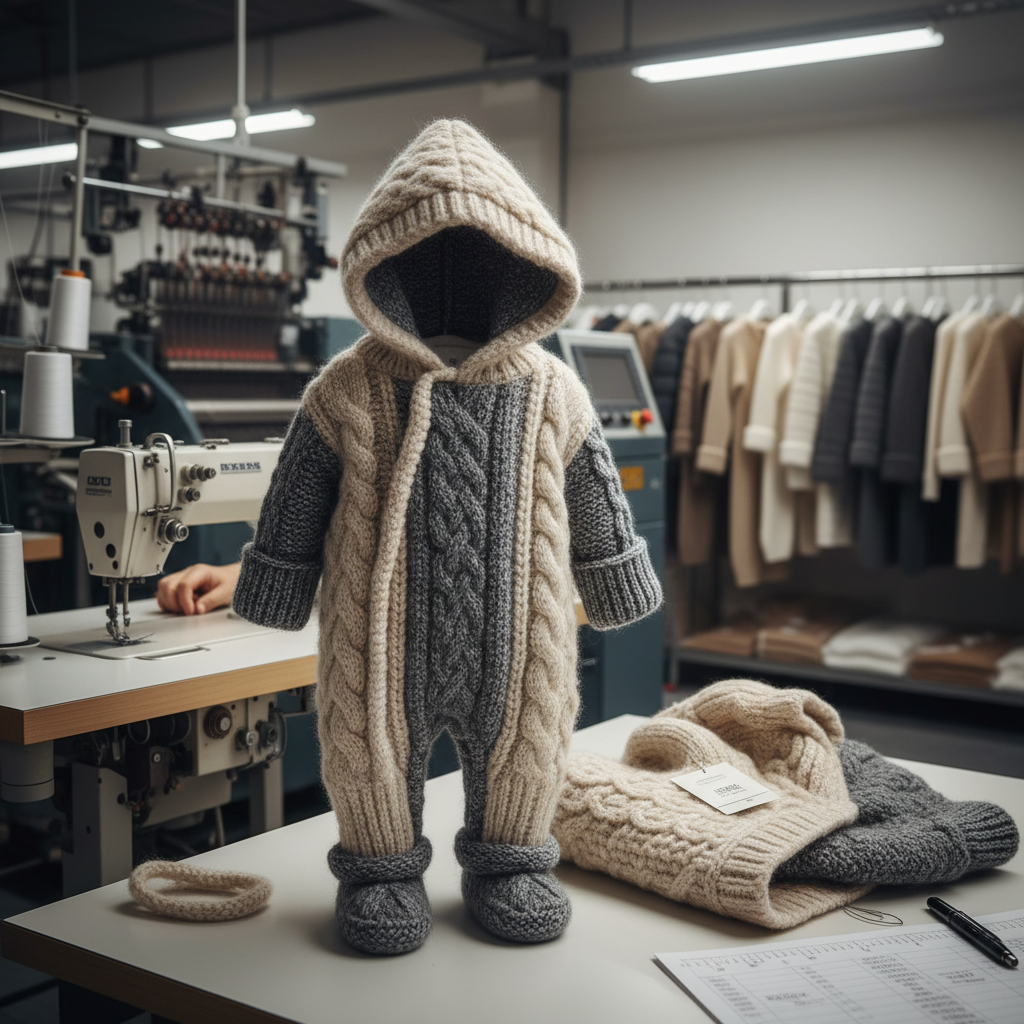
Selecting the ideal newborn bodysuit winter collection is more than a fashion choice; it is a critical component of neonatal thermoregulation. Newborns lack the ability to shiver and have a higher surface-area-to-volume ratio, making them susceptible to rapid heat loss. A high-quality winter bodysuit acts as a primary barrier, ensuring that the infant maintains a stable core temperature during the coldest months of the year.

From a manufacturing perspective, the development of winter-specific infant wear has evolved from simple heavy fabrics to advanced knitwear engineering. Modern textile science focuses on balancing breathability with thermal retention, utilizing hypoallergenic fibers that prevent skin irritation while providing maximum warmth. This evolution ensures that the newborn bodysuit winter serves both a functional and protective purpose.

Globally, the demand for specialized winter infant clothing is rising as parents become more educated about the "layering principle." By integrating the right materials—such as organic cotton blends and thermal fleece—manufacturers can create garments that reduce the risk of hypothermia and improve sleep quality for infants. Understanding the nuances of these garments helps caregivers provide a safe, cozy environment for their newborns.
newborn bodysuit winter

Material Engineering for Winter Bodysuits
newborn bodysuit winter

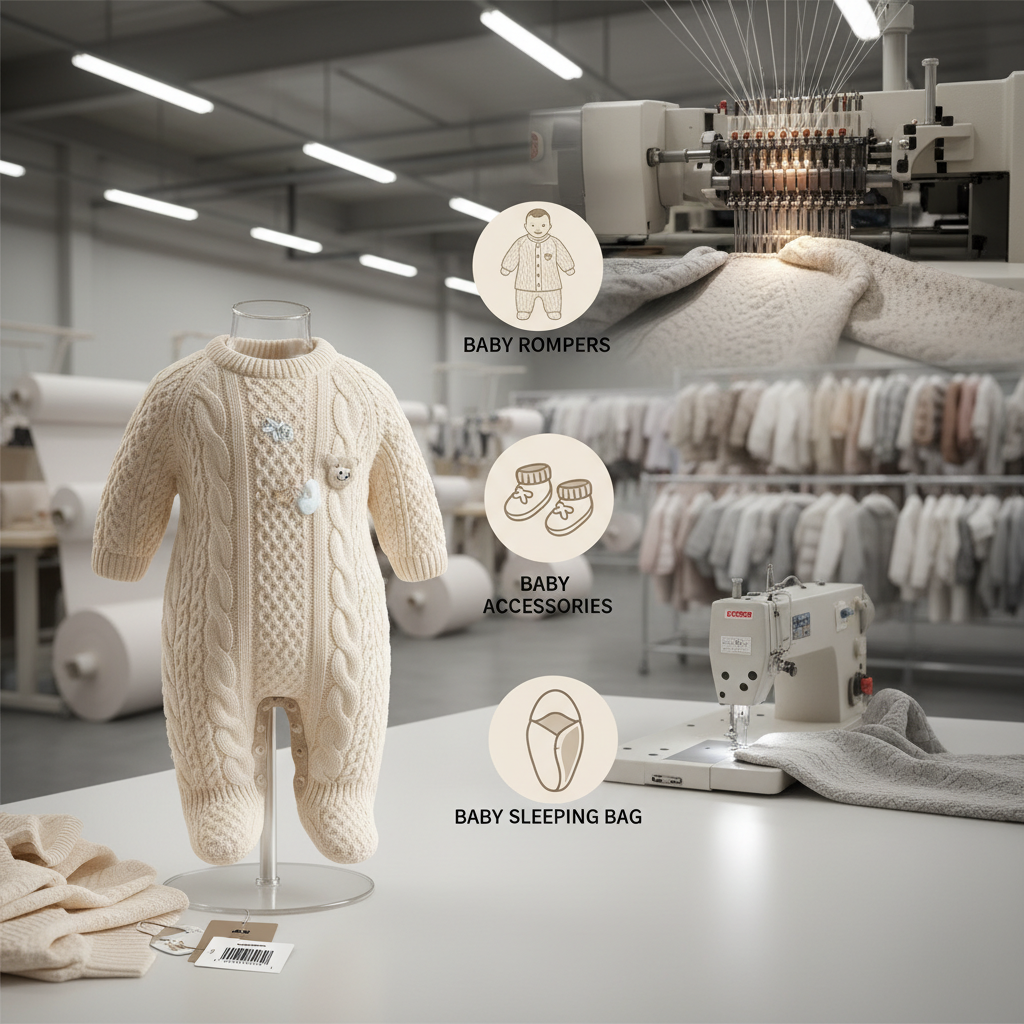
The foundation of a premium newborn bodysuit winter lies in the selection of the knit fabric. We prioritize high-GSM (grams per square meter) organic cotton and bamboo blends, which provide a natural thermal buffer. By employing a tight-knit interlock weave, the fabric minimizes wind penetration while remaining soft against the infant's delicate skin.

Furthermore, the integration of brushed fleece interiors has become a standard for extreme cold. This structural modification traps air pockets close to the skin, creating an insulating layer that prevents heat from escaping. Our engineering focus remains on ensuring these materials are non-toxic and OEKO-TEX certified, mitigating any risk of allergic reactions.

Thermal Regulation and Infant Safety

Thermal regulation is the most critical aspect of any newborn bodysuit winter. Unlike adults, newborns cannot regulate their body temperature efficiently. If the garment is too thin, the baby risks hypothermia; if it is too thick or non-breathable, it can lead to overheating, which is a known risk factor for SIDS (Sudden Infant Death Syndrome).

To solve this, we implement a "breathable warmth" strategy. This involves using moisture-wicking properties in the fabric to ensure that sweat is drawn away from the skin, preventing the chilling effect that occurs when damp clothing hits cold air. This balance of moisture management and heat retention is what distinguishes professional-grade winter wear from generic clothing.

Moreover, the safety of the fasteners is paramount. We utilize nickel-free snaps and reinforced stitching to ensure that no small parts can detach and become choking hazards. The seamless construction in high-friction areas, such as the underarms and thighs, prevents skin chafing, ensuring the infant remains comfortable throughout the day.

Ergonomic Design for Newborn Comfort

Designing a newborn bodysuit winter requires a deep understanding of infant anatomy. The "easy-access" philosophy is central to our design, incorporating two-way zippers or lap-shoulder necklines that allow parents to dress and undress their babies without causing stress or unnecessary exposure to the cold.

The structural integrity of a newborn bodysuit winter must account for the rapid growth phases of the first three months. By incorporating ribbed cuffs and expandable waistbands, the garment provides a snug fit that retains heat while allowing enough room for the baby's natural movements and growth spurts.

Attention to detail extends to the integration of built-in mittens and footies. These additions eliminate the need for separate accessories that often fall off, ensuring that the extremities—where heat loss is most rapid—remain protected within the newborn bodysuit winter ecosystem.

Performance Metrics of Winter Fabrics

To quantify the effectiveness of a newborn bodysuit winter, we analyze several key performance indicators (KPIs). These include the Clo value (thermal insulation), air permeability, and pilling resistance. A higher Clo value indicates better heat retention, which is essential for garments intended for sub-zero environments.

By comparing different fabric blends, we can determine the optimal ratio of cotton to synthetic thermal fibers. This ensures that the bodysuit provides maximum warmth without sacrificing the softness and hypoallergenic properties that parents demand for their newborns.

Performance Comparison of newborn bodysuit winter Fabrics

Global Market Standards for Baby Wear

The manufacturing of a newborn bodysuit winter is governed by strict international standards, such as ISO 10078 for textile testing and CPSC regulations in the United States. These guidelines ensure that the dyes used are non-toxic and that the fabric does not contain harmful chemicals like formaldehyde, which could penetrate a newborn's permeable skin.

In the European market, the focus has shifted toward the "Circular Economy," where winter bodysuits are designed for longevity and recyclability. By utilizing biodegradable fibers and avoiding mixed-material blends that are hard to recycle, manufacturers are reducing the environmental footprint of the fast-growing baby apparel industry.

Sustainable Manufacturing in Textile Arts

Sustainability in the production of the newborn bodysuit winter is no longer optional; it is a necessity. We utilize closed-loop water systems in our dyeing process to minimize chemical runoff into local ecosystems. By sourcing organic cotton, we reduce the reliance on pesticides, ensuring a cleaner planet for the very infants wearing our clothes.

Digital knitting technology has also revolutionized the process. By using 3D knitting, we can create a newborn bodysuit winter with almost zero fabric waste. This precision engineering allows us to place thermal reinforcements exactly where the baby needs them most, without adding unnecessary bulk.

Finally, we are exploring the use of algae-based fibers and recycled ocean plastics for the outer shells of winter gear. These innovations not only provide excellent windproofing but also align the baby apparel industry with global climate goals, proving that comfort and ecology can coexist.

Maintenance and Longevity of Winter Gear

To maintain the thermal efficacy of a newborn bodysuit winter, proper care is essential. Frequent washing with harsh detergents can break down the fibers that trap heat. We recommend using pH-neutral, fragrance-free detergents and avoiding high-heat drying, which can shrink the fabric and compromise the ergonomic fit.

The longevity of winter wear is often threatened by "pilling"—the formation of small balls of fiber on the surface. By using long-staple cotton and anti-pilling finishes, we ensure that the newborn bodysuit winter remains smooth and soft, preventing skin irritation and maintaining a professional appearance through multiple washes.

Ultimately, investing in a high-quality winter bodysuit means the garment can be passed down to siblings or donated, extending its lifecycle. A durable, well-constructed piece of winter wear reduces the need for frequent replacements, offering long-term value to parents and a benefit to the environment.

Analysis of Newborn Bodysuit Winter Material Longevity and Care

Fabric Type Thermal Retention Wash Durability Skin Sensitivity Score
Organic Cotton Moderate High 10/10
Thermal Fleece Exceptional Medium 8/10
Bamboo Blend Moderate High 9/10
Merino Wool Mix High Medium 7/10
Interlock Knit Moderate Very High 9/10
Recycled Poly High Very High 6/10

FAQS

How do I know if my newborn bodysuit winter is too warm for my baby?

Check your baby's chest or the back of their neck. If the skin feels hot or damp to the touch, or if they are sweating, the bodysuit may be too warm. Overheating is a safety concern, so it is better to use layers that can be easily removed than one excessively thick garment.

Are fleece-lined bodysuits safe for newborns with sensitive skin?

Yes, provided the fleece is hypoallergenic and OEKO-TEX certified. We recommend choosing a newborn bodysuit winter that features a cotton lining against the skin and the fleece on the exterior or middle layer to prevent irritation while maintaining maximum warmth.

What is the best way to wash winter baby clothes without ruining the fabric?

Wash your winter bodysuits in cold water using a mild, baby-safe detergent. Avoid bleach and fabric softeners, which can clog the breathable pores of thermal fabrics. Air drying or using a low-heat tumble setting is recommended to prevent shrinkage and maintain the garment's shape.

Should I choose a bodysuit or a full sleep-and-play for winter?

A newborn bodysuit winter is ideal as a base layer. For extreme cold, we recommend layering a bodysuit underneath a sleep-and-play or a wearable blanket. This allows you to adjust the warmth level easily based on the indoor temperature.

How often should I size up my baby's winter clothing?

Newborns grow rapidly, especially in the first 12 weeks. If the bodysuit becomes tight around the thighs or the snaps are difficult to close, it's time to size up. A bodysuit that is too tight can restrict movement and actually reduce the insulating air layer, making the baby colder.

Can these bodysuits be used as pajamas?

Absolutely. Our winter bodysuits are designed for 24/7 comfort. However, ensure that if they are used as sleepwear, they do not have loose strings or oversized buttons that could pose a safety risk during sleep. A snug-fitting winter bodysuit is an excellent choice for nighttime warmth.

Conclusion

In summary, the newborn bodysuit winter is an essential intersection of textile engineering and neonatal care. By prioritizing high-quality, hypoallergenic materials, ergonomic designs for ease of use, and a strict adherence to safety standards, manufacturers can ensure that newborns remain warm, safe, and comfortable throughout the winter season. The balance between thermal retention and breathability remains the gold standard for infant wellness.

Looking ahead, the integration of smart textiles and sustainable, bio-based fibers will further refine how we protect our most vulnerable. We encourage parents and wholesalers to prioritize certified organic materials and ergonomic constructions that support the baby's natural growth. For premium, professionally manufactured winter baby wear, visit our website: www.factorypyjamas.com.

Caleb Lewis

Caleb Lewis

Caleb Lewis is a Pattern Maker at Shijiazhuang Kuer Clothing, with a strong background in garment construction. He translates designs into precise patterns, working closely with designers and cutters to ensure accurate and efficient production. Caleb is proficient in both manual and digital pattern-making techniques. He’s vital in creating the foundation for our customizable designs, adapting patterns to accommodate specific branding and style requests. Caleb is passionate about precision and accuracy, contributing directly to the overall quality and fit of our clothing.
Previous Premium Knitting Newborn Bodysuit Winter
Next Premium Newborn Bodysuit with Mittens for Infant Safety and Warmth

If you are interested in our products, you can choose to leave your information here, and we will be in touch with you shortly.